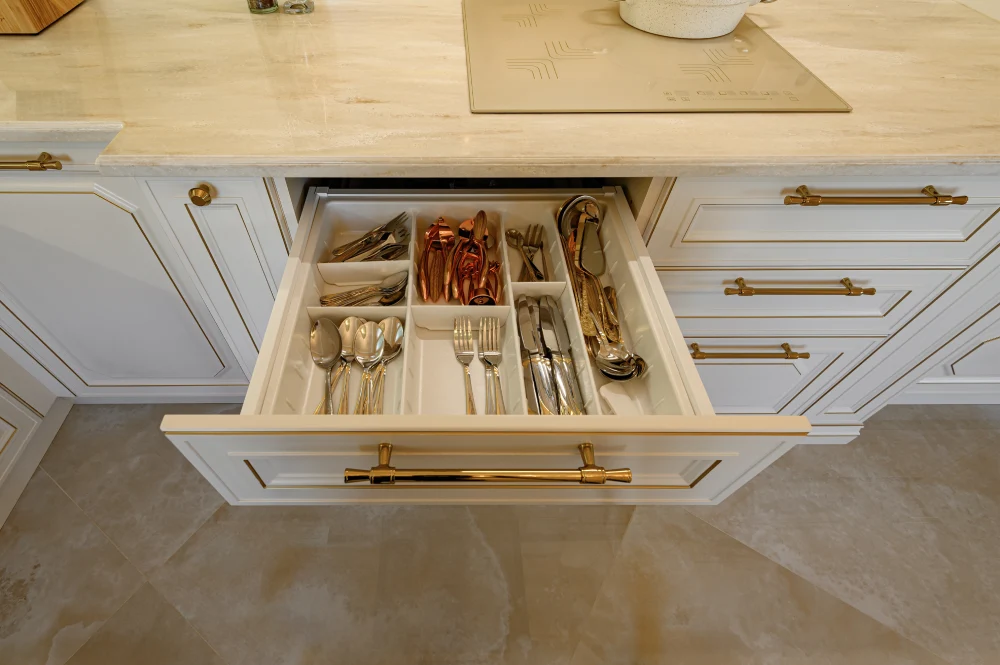
Inset cabinets, you’ve probably seen them and thought, wow, those look amazing. They sit flush with the frame, giving a seamless, built-in feel that just looks expensive. That’s the magic of them. But then you wonder, are inset cabinets worth it? Well, let’s talk it through about what you need to know.
What Makes Inset Cabinets Different?
Here’s the deal: inset cabinets aren’t like the usual kitchen cabinets you see every day. With typical cabinets, the doors sit on top of the frame, maybe overlapping a bit. Inset? The doors actually sit inside the frame, perfectly flush. That’s why people also call them inlaid cabinets.
Why that matters:
- It looks clean and professional like a high-end kitchen straight out of a magazine
- Hinges are hidden, and the doors line up perfectly (inset cabinet door stops help a ton here)
- They pair beautifully with recessed panel cabinetry and inset shaker cabinet doors
Inset vs Frameless Cabinets: What’s the Real Difference?
You’ve probably heard people debating inset vs frameless cabinets. Here’s the simple truth:
- Inset cabinets give you that traditional, classic feel. The doors sit inside the frame. Everything looks neat and tailored.
- Frameless cabinets are more modern and easier to install. Doors cover the whole frame, giving a smooth, flat appearance, but they don’t have that built-in look.
Full Overlay vs Inset Cabinets
Another question that comes up all the time is full overlay vs inset cabinets. Here’s the scoop:
- Full overlay doors cover most of the frame, giving a sleek, almost minimalist look.
- Inset cabinets let the frame peek through just a little, showing off precision and quality.
So if you’re looking for elegance and timeless style, inset wins. It also works amazingly for built-in floor to ceiling cabinets or dining room built-in cabinet designs. The downside? Cost. You’re paying for perfection here.
Are Inset Cabinets Worth It?
People ask: are inset cabinets worth it? Let’s be honest, yes, but it depends on what matters to you.
The perks:
- They look incredible flush doors, seamless lines
- Built to last, especially with proper maintenance
- Work well with inset shaker cabinet doors or lattice cabinet designs
- Can add value to your home if you ever sell
The downsides:
- They’re more expensive than overlay or frameless options
- Installation has zero margin for error
- Doors can be picky you need inset cabinet door stops or else they might not close perfectly
The short answer: if appearance and quality matter more than budget, they’re worth it.
Step Cabinets and Recessed Panels
If you want your kitchen or dining room to feel layered and intentional, check out step cabinets combined with recessed panel cabinetry. They add dimension without feeling cluttered and pair perfectly with inset cabinets. Bonus points if you like a lattice cabinet vibe—it just elevates the look.
Choosing the Right Inset Cabinet Doors
Not every inset door is created equal. When picking inset cabinet doors, keep these in mind:
- Inset shaker cabinet doors are timeless
- Smooth edges and quality hinges make a huge difference
- Include cabinet slots for better organization
- Think about where the cabinet will be—sometimes kitchen cabinets inset vs overlay makes sense in combination
A little planning upfront saves headaches later.
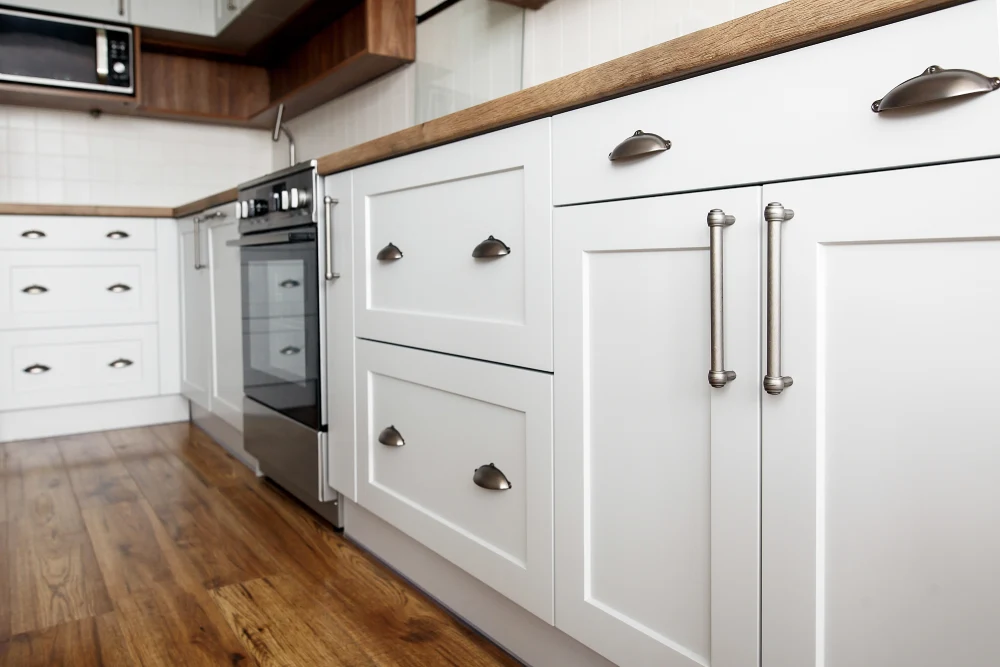
Built-In Floor-to-Ceiling Cabinets
One of the best uses for inset cabinets is built-in floor to ceiling cabinets. You get maximum storage and a cohesive, custom look.
Tips:
- Plan carefully around appliances and countertops
- Add cabinet slots to stay organized
- Stick with high-quality materials to avoid warping or doors not aligning
Mixing inset vs full overlay cabinets can work too: use inset in high-visibility areas, overlay in less prominent spots.
Keeping Inset Cabinets Looking Perfect
Maintaining cabinets inset doors isn’t complicated but can’t be ignored:
- Wipe them regularly
- Adjust inset cabinet door stops if doors start sticking
- Avoid soaking the wood
- Check hinges yearly
Do this, and your inset cabinets will look flawless for decades.
Design Inspiration
Here’s how people are using inset cabinets today:
- Inset shaker cabinet doors for a classic, bright kitchen
- Dining room built-in cabinet designs for elegance
- Lattice cabinet ideas for texture and subtle flair
They work with both modern and traditional interiors, making them a versatile choice.
Conclusion:
Basically, if you want your kitchen to look like someone really cared about every detail, inset is where it starts. Think of it like this: inset is like a tailored suit, frameless is like ready-to-wear. Both can look great, but one just screams craftsmanship.
Frequently Asked Questions
What makes inset cabinets different from overlay styles?
Inset cabinets have doors recessed into the frame for a framed, furniture-like look, while overlay covers the frame for sleeker storage. This precision boosts elegance but ups cost by 25-50%. Frameless skips frames entirely.
Are inset cabinets worth it for modern kitchens?
Yes, especially with inset shaker cabinet doors as they adapt well, adding custom feel without overpowering. Pair with sleek hardware for balance, though expect higher install precision.
How do inset vs frameless cabinets compare in storage?
Frameless offers more depth and access; inset cabinets lose inches to the frame but gain style. Fine for most, but deep pots favor frameless.
What are common inset cabinet door stops solutions?
Blum soft-close hinges with drilled stops into shelves work best. Use jigs for accuracy on inset kitchen cabinet to prevent door damage.
Full overlay vs inset which saves money?
Full overlay wins on cost and ease, ideal for remodels. Inset cabinets justify premium for luxury, long-term value in custom homes.
Can built-in floor to ceiling cabinets use inset cabinets?
Absolutely, creates seamless storage, hiding gaps. Pros: max space, clean look; cons: costly install, hard top access needs ladders.
Why choose inset shaker cabinet doors?
They merge timeless Shaker panels with flush inset fit, suiting traditional to modern. Custom builds ensure durability and flexibility.
Do inset cabinets need special maintenance?
Yes, seasonal hinge tweaks for humidity; clean tight reveals to avoid dust. Edges wear faster, but quality woods endure.
What’s the average cost of inset kitchen cabinet installs?
$200-400 per linear foot, 25% over overlay due to craftsmanship. RTA options cut costs without full custom price.
Kitchen cabinets inset vs overlay, best for small spaces?
Overlay maximizes storage; inset cabinets add perceived luxury despite minor depth loss. Mix for optimal function and style.