A kitchen should remain comfortable, safe, and easy to use as people age. Tasks such as reaching cabinets, carrying hot dishes, or moving around tight spaces can become challenging over time. Thoughtful kitchen design for aging in place helps older adults maintain independence while making daily activities easier.
Whether you’re updating a few features or planning a full renovation, these 12 ideas can improve accessibility and reduce common kitchen hazards.
1. Create Wider Walkways
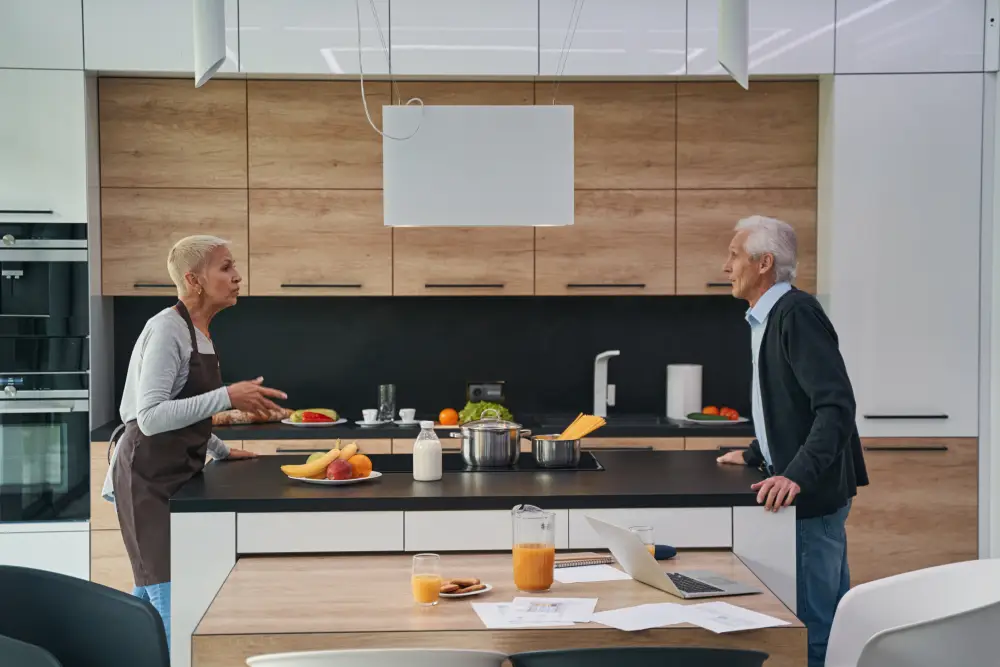
Narrow walkways can make moving around difficult, especially for people using walkers or wheelchairs. An accessible kitchen design should provide clear pathways and enough room to move comfortably around appliances and cabinets.
2. Install Pull-Out Shelves
Pull-out shelves bring cookware, dishes, and ingredients closer, reducing bending and reaching. Place frequently used items where they are easy to access.
3. Add a Pull-Out Pantry
A pull-out pantry makes food easier to see and reach without digging through deep cupboards. Store everyday ingredients at comfortable heights to create a more senior friendly kitchen.
4. Choose Easy-to-Grip Cabinet Handles
Small knobs can be difficult to use for people with arthritis or limited hand strength. Larger handles and D-shaped pulls require less precise gripping and make cabinets easier to open.
5. Improve Kitchen Lighting
Good kitchen safety starts with bright, even lighting. Add under-cabinet lights and illuminate cooking, preparation, and sink areas to reduce shadows and make spills easier to spot.
6. Choose Slip-Resistant Flooring
Wet floors can increase the risk of falls. Select flooring with good slip resistance and an even surface. Avoid loose rugs and raised transitions that may cause trips.
7. Adjust Countertop Heights
A countertop that is too high or low can make food preparation uncomfortable. Barrier-free design may include different countertop heights or an accessible work area with knee clearance for seated users.
8. Install Easy-to-Use Faucets
Lever handles and suitable touch-activated faucets can help people with limited grip strength. Anti-scald protection and properly adjusted water temperatures can also reduce burn risks.
9. Make Appliances Easier to Reach
Raised dishwashers, accessible refrigerator shelves, and conveniently positioned oven controls can reduce bending and stretching. Choose appliances based on the user’s mobility and daily needs.
10. Improve Sink Accessibility
A sink with comfortable reach and suitable knee clearance can make washing and food preparation easier. Insulate exposed pipes beneath accessible sinks to help prevent burns.
11. Add Safer Cooking Features
Choose cooktops with easy-to-reach controls and clear indicators. Induction cooktops may reduce some burn risks, but hot cookware and residual heat still require care. Keep frequently used pots and utensils nearby.
12. Organize Storage Around Daily Needs
Store everyday dishes, ingredients, and cooking tools within comfortable reach. Avoid placing heavy cookware in high cabinets or low drawers that require deep bending.
Choose Kitchen Features That Adapt to Changing Needs
An effective kitchen design for aging in place should accommodate changing mobility and daily routines over time. Adjustable shelving, accessible work surfaces, easy-to-use cabinet hardware, and well-positioned appliances can make cooking more comfortable without requiring major changes later.
When planning updates, consider the needs of everyone using the kitchen and prioritize features that improve safety and convenience. A qualified kitchen remodeling contractor can help identify practical improvements that fit your space, lifestyle, and budget.
When to Hire Kitchen Remodeling Services
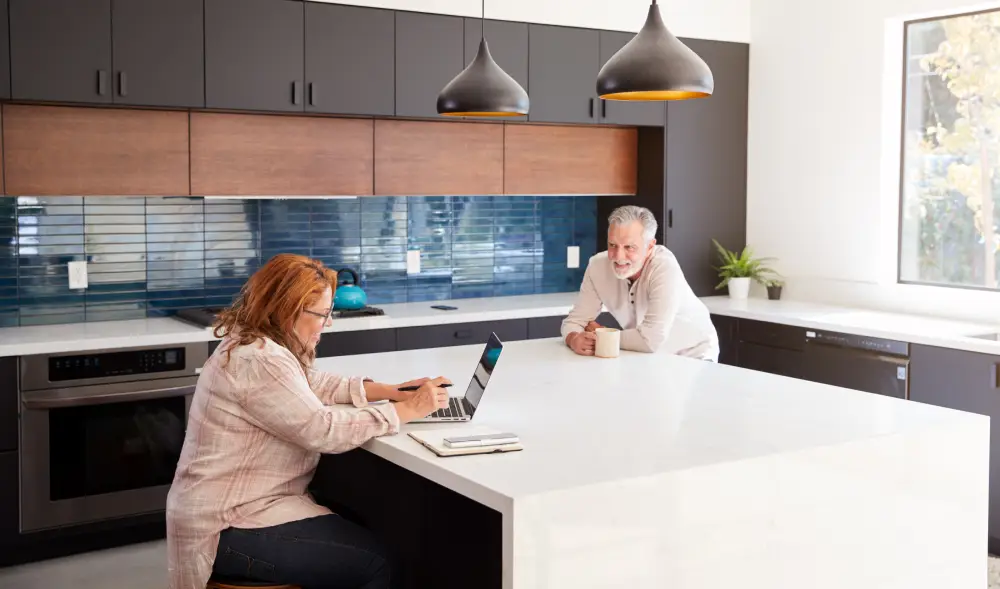
Simple upgrades, such as changing cabinet handles or reorganizing storage, may be manageable without a major renovation. Plumbing, electrical, flooring, and layout changes may require professional help.
Experienced kitchen remodeling services can help plan accessible layouts and choose suitable materials. When hiring a kitchen remodeler or kitchen remodeling contractor, look for experience with aging-in-place projects, written estimates, and knowledge of relevant building requirements.
Conclusion:
Thoughtful kitchen design for aging in place can make daily tasks easier and help older adults maintain independence. From pull-out shelves and improved lighting to accessible countertops and safer appliances, small changes can improve comfort and reduce hazards.
Start with the kitchen’s biggest safety challenges, then prioritize upgrades that fit your needs and budget.
Frequently Asked Questions
What is kitchen design for aging in place?
It adapts a kitchen to support safe, comfortable use as mobility, strength, or vision changes with age.
What makes a kitchen accessible?
Clear pathways, reachable storage, suitable counter heights, good lighting, and easy-to-use hardware improve accessibility.
How can I improve kitchen safety for seniors?
Improve lighting, remove trip hazards, install slip-resistant flooring, and keep heavy items within easy reach.
Are pull-out shelves worth installing?
Yes. They make stored items easier to reach and reduce bending and stretching.
What is the benefit of a pull-out pantry?
It improves visibility and organization while making food easier to access.
Which flooring is best for a senior friendly kitchen?
Choose a stable, easy-to-clean surface with suitable slip resistance.
Can I make my existing kitchen more accessible?
Yes. Better lighting, cabinet handles, pull-out storage, and faucet upgrades can improve usability without a complete remodel.
How do I choose a kitchen remodeling contractor?
Check relevant experience, references, licensing where required, and written estimates.
When should I plan an aging-in-place renovation?
Planning early allows you to make practical changes before accessibility needs become urgent.
Does an accessible kitchen require a complete renovation?
No. Small upgrades can make a meaningful difference, although some households may benefit from larger layout changes.