When considering a kitchen remodel, it can boost the appearance as well as the function of your house, yet if not prepared properly, it will certainly easily raise costs. The simple errors from selecting an inappropriate material to missing out on hidden repairs can result in costly surprises.
By being aware of some of the most common kitchen remodel mistakes, you can avoid overspending, delays, and end up with a kitchen you are certain will meet your needs. These are 8 things to stay away from.
1. Starting Without a Realistic Budget
A common, but very significant kitchen remodel mistakes is to only budget for the cabinets, countertops and appliances. Tremendous expenses can be incurred for labor, plumbing, electrical, permits and finishing materials.
Before you begin, make some estimates of all costs and allow for 10-20% more than you anticipate for unexpected costs. A realistic budget will enable you to prioritise essential upgrades and not spend more than you need to.
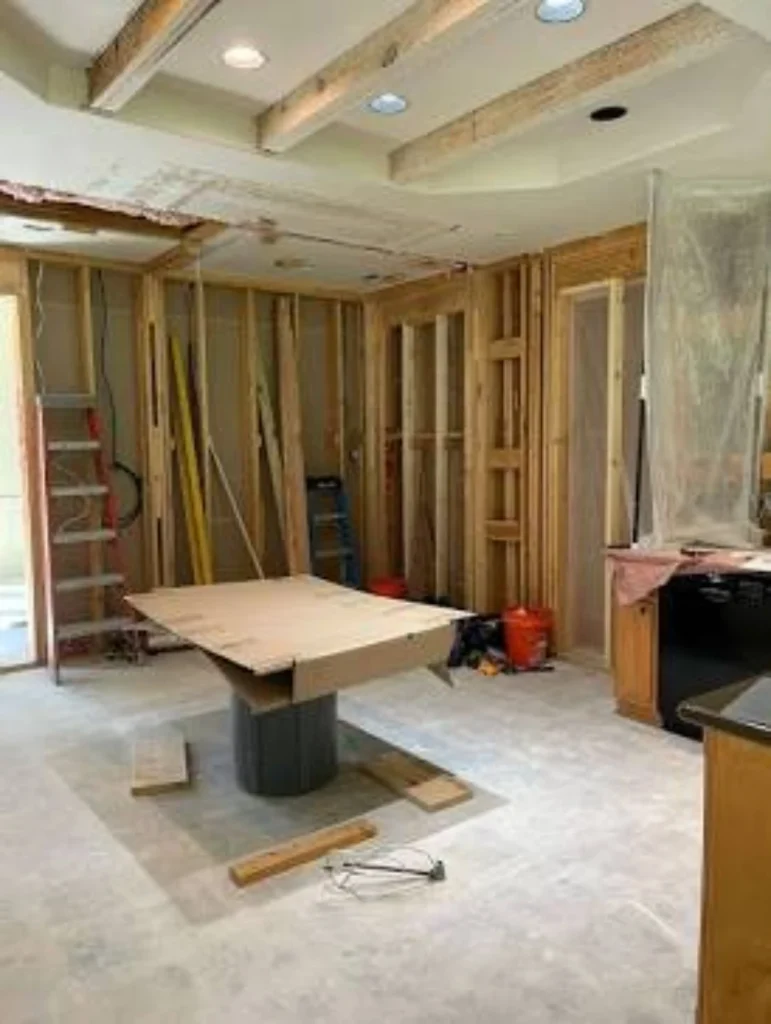
2. Changing Plans During Construction
If you need to update the layout, cabinets, or the home’s location of appliances after the house has started construction, it can cause more labor to be required and delay the home’s construction. Plumbing and/or electrical work in these areas may need to be redone as well.
Good Kitchen Renovation Planning is to complete design, dimensions, material and appliance selections prior to beginning work. Early decision-making is generally more cost effective than making changes midway through the project.
3. Choosing Materials Based Only on Price
Save money on the initial purchase, but may need to be repaired or replaced earlier. However, opting for top-of-the-range materials on all can also run up your costs.
Apply practical Kitchen Renovation Tips by comparing the quality, durability, warranties and maintenance requirements. Invest in features that you use regularly, and get the lower-priced options for those that are not as critical.
4. Hiring the Wrong Contractor
A contractor who is selected for their lowest bid may not provide the quality of work you are looking for, unclear costs, and delays. Prior to hiring, verify comprehensive quotes, look at references and verify insurance and qualifications.
The project scope, payment process, timeline and additional work process should be explained in a written contract. When expectations are clear, costly miscommunication will be avoided.
5. Ignoring Storage and Layout
While a pretty kitchen may look fantastic, it could be difficult to function in because of inadequate storage space or an ineffective design. Costs may be higher if cabinets or appliances are added later in the construction process.
Design storage with use of the space in mind. Before finalizing the design, think about how much space the cabinets will require, whether it’s a space for drawers, space for appliances or easy movement from the sink, refrigerator and stove.
6. Overlooking Kitchen Ventilation
Cooking odors, grease, smoke and moisture are allowed to build up due to poor ventilation. It may be necessary to make additional ductwork or electrical changes if the exhaust hood is installed after the cabinets and finishes have been installed.
Plan Kitchen Ventilation early by choosing a suitable range hood and confirming the duct route.Good ventilation can make things comfortable and avoid having to change things later.
7. Ordering Cabinets Before Measuring
If cabinet or appliance purchases are made before measurements are taken, it can lead to products not fitting. The cost of replacements and poor delivery or return rates can add up very quickly.
With a Kitchen Cabinet Supplier, make sure you check over with your Contractor or Designer before you buy. Additionally, be aware of the delivery times, returns and installation requirements to prevent extra expenses.
8. Forgetting Permits and Hidden Repairs
Not all of these may be covered by a renovation budget: out-of-date wiring, plumbing leaks, water damage, and permit requirements. These problems may only be evident once the demolition work has started.
When considering a Kitchen Renovation Toronto project, and making plans, ensure you are aware of the permits needed for the work in advance, especially if there are structural alterations, plumbing, or electrical systems that need to be altered. Talk about how unexpected repairs will be paid and have a savings cushion.

Conclusion
The key to a successful renovation is sound budgeting, planning and decision making. By avoiding common kitchen remodeling mistakes, you can avoid some of the costs, delays, and troubles associated with kitchen remodel mistakes. Whether you’re doing some minor changes or a full kitchen remodel, doing some prep work ahead of time can help avoid overspending your project.
Frequently Asked Questions
What are the biggest kitchen remodel mistakes?
Any changes to the layout once the construction has begun, can be costly due to the fact that extra labor, plumbing, electrical may be required resulting in extra costs.
How much extra should I budget for a kitchen renovation?
A standard starting point is 10 to 20% for a contingency, but older kitchens and things that are more complicated might need a higher contingency amount.
How can I save money on kitchen remodel mistakes?
Maintain the current layout if feasible, research and cost materials, provide for essentials only and make selections prior to construction.
Do I need a permit for a kitchen renovation in Toronto?
Requirements are contingent on the work required. Verify if there are current City of Toronto guidelines prior to beginning structural work, plumbing work or other regulated work.