Solid wood cabinets are appreciated for their natural beauty, strength, and durability. But many Ontario homeowners know that the humidity and temperature fluctuations in their homes can cause problems with wooden cabinets. Summers can bring warm, humid conditions, while winters are typically colder and drier because of indoor heating.
So, will solid wood cabinets warp in Ontario’s climate? They may expand, contract or experience slight changes when subjected to large amounts of moisture change. These can be minimized, however, through proper drying of wood, construction, and installation. With a grasp of how wood responds to its surroundings it’s easier to select and maintain cabinets that will last.
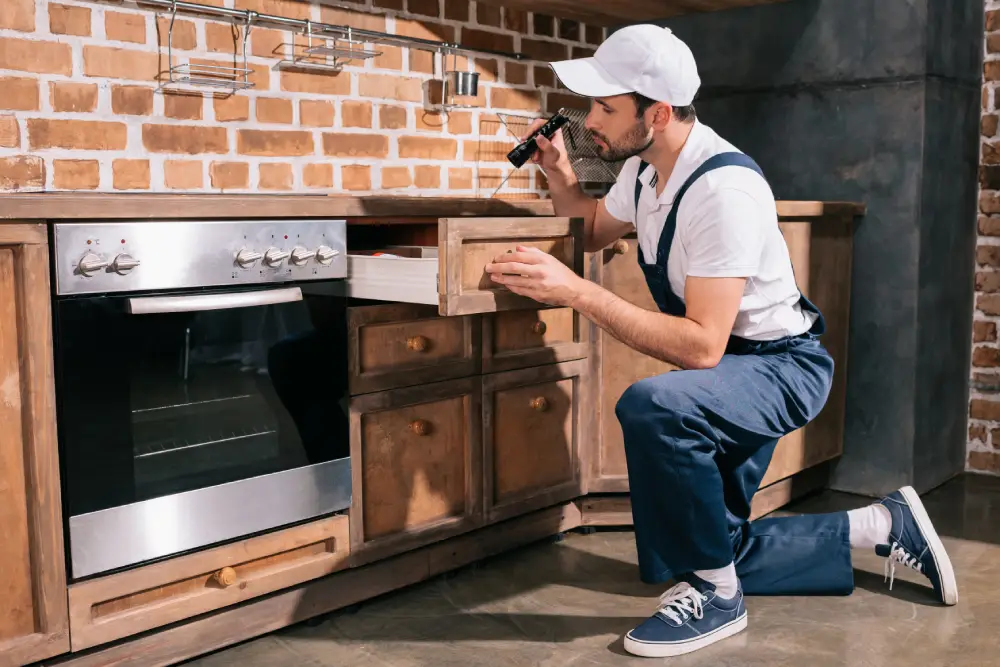
How Does Ontario’s Climate Affect Solid Wood Cabinets?
Natural wood can be impacted by seasonal variations in temperature and humidity in Ontario. Wood takes up water from the air and expands during the summer when the air is humid. Humidity also is lower in winter and wood tends to shrink and dry out when heated indoors.
These natural movements are intrinsic and occur within the nature of solid wood. They don’t have to indicate that the cabinets are bad or substandard. However, excessive or frequent fluctuations in temperature/humidity can lead to cracks, gaps, sticking doors and warped parts.
Will Solid Wood Cabinets Warp in Humid Conditions?
Solid wood cabinets can warp when wood absorbs too much moisture unevenly or experiences prolonged exposure to damp conditions. Warping is a result of the uneven expansion of wood due to the differential between the rate of expansion of different sections, which bend and/or twist the wood.
But, normal seasonal fluctuations in humidity can not always create problems. Properly dried lumber, correct construction techniques and finishes help to control the effects of the normal environment in well-made cabinets. Maintaining a relatively constant indoor humidity also helps to preserve cabinetry.
What Causes Wood Expansion and Contraction?
Wood naturally responds to moisture in the surrounding air. When humidity increases, wood absorbs moisture and expands. When the air becomes dry, it releases moisture and contracts.
Several factors influence how noticeable this movement becomes:
- Moisture content: Wood that has not been properly dried may move more after installation.
- Humidity fluctuations: Frequent changes can increase expansion and contraction.
- Wood species: Different types of wood respond differently to moisture.
- Construction quality: Poorly designed joints and panels may be more vulnerable to movement.
- Protective finishes: Suitable coatings help slow moisture exchange, although they cannot eliminate it completely.
Understanding these factors helps homeowners make informed decisions when choosing solid wood cabinetry.
Which Wood Types Work Well for Ontario Homes?
Different wood species offer different levels of stability, appearance, and durability. Cabinet builders often consider the intended design, budget, and indoor environment before recommending a material.
| Wood Type | Common Characteristics |
| Maple | Hard, durable, and suitable for many cabinet styles |
| Oak | Strong, distinctive grain, and widely used in cabinetry |
| Cherry | Rich colour that naturally deepens over time |
| Walnut | Attractive grain and warm, dark tones |
| Birch | Smooth appearance and useful for painted or stained finishes |
No wood species is completely immune to moisture-related movement. The quality of the lumber, drying process, cabinet construction, and installation all influence long-term performance.
How Can You Prevent Solid Wood Cabinets from Warping?
Homeowners can reduce the risk of warping by controlling indoor conditions and preventing unnecessary moisture exposure. A few practical steps can make a significant difference.
- Maintain consistent indoor humidity: Aim for a relative humidity level of around 35% to 50% where practical.
- Use kitchen ventilation: Run an exhaust fan while cooking to reduce steam and moisture buildup.
- Clean spills quickly: Avoid leaving water on cabinet doors, edges, or joints.
- Check plumbing regularly: Leaking pipes and sinks can expose nearby cabinets to prolonged moisture.
- Avoid direct heat: Keep cabinets away from excessive heat sources whenever possible.
- Follow care instructions: Use cleaning products and maintenance methods recommended by the cabinet manufacturer.
These habits help protect wooden cabinets from unnecessary stress throughout Ontario’s changing seasons.
Why Does Cabinet Construction Matter?
The way cabinets are designed and assembled can affect how well they handle environmental changes. Quality cabinet builders are familiar with the fact that wood moves and they take this into consideration when making cabinets. They employ appropriate joinery, accommodate for the movement of panels and choose the right dry materials.
In addition to the above, cabinet designers take into account the location of cabinets, how they will be used and the way the various components will be integrated. cabinet doors manufactured from solid wood may need a construction that will not compromise the integrity of the frame because the panel expands and contracts.
Are Solid Wood Cabinets Better Than Other Cabinet Materials?
Solid wood can be refinished and have various types of natural grain patterns. All of these attributes make it attractive to homeowners seeking a traditional, long-lasting, or custom cabinetry.
For certain applications engineered materials like plywood and medium-density fibreboard (MDF) can have improved dimensional stability.
There are many types of cabinet designs that use a mix of materials with solid wood doors and frames and engineered panels used for the cabinet boxes. This depends on the design, budget and level of moisture exposure and maintenance expectations.
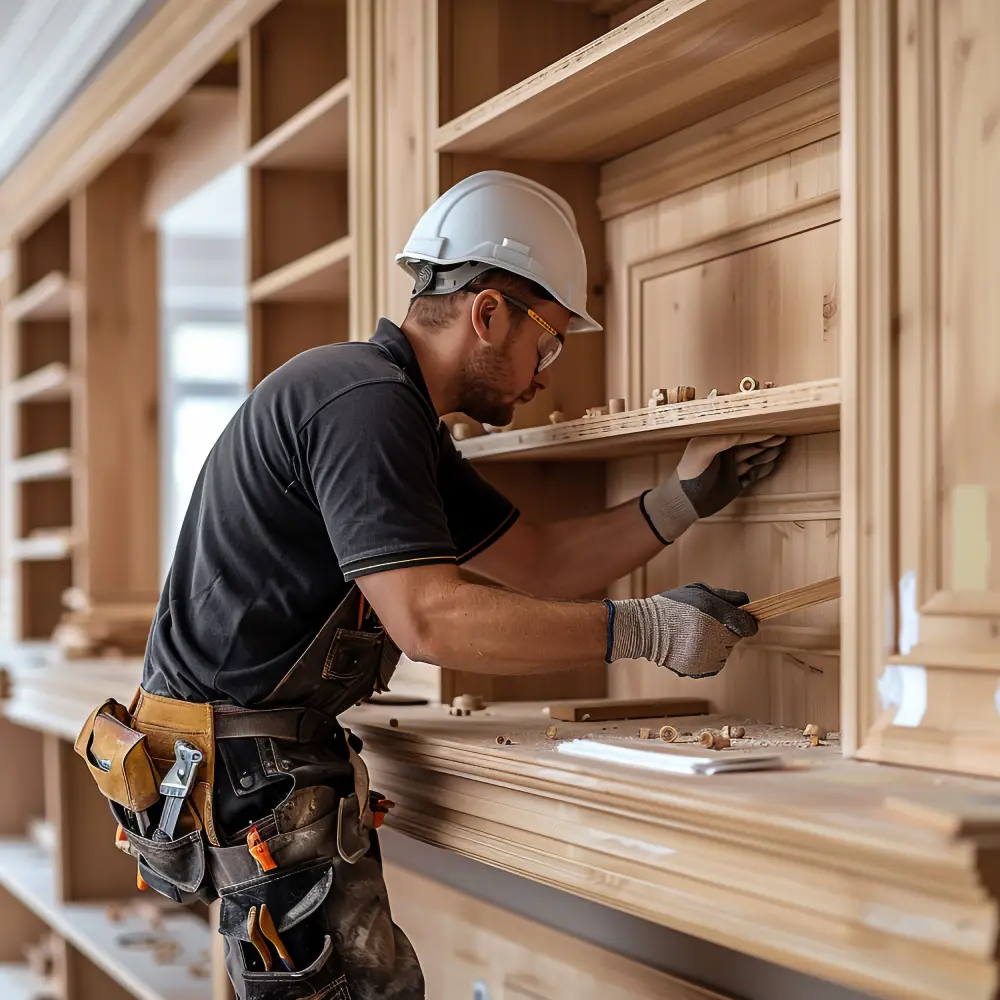
How Can Custom Cabinet Designers Help?
Custom cabinet designers can recommend materials and construction methods based on a home’s layout and environmental conditions.They are also able to assist homeowners with their selections of finishes, door and cabinet layouts.
A knowledgeable cabinet builder will be able to ensure that the materials are correctly prepared and installed. They have a keen eye for moisture, ventilation, joinery and finishing which can minimize issues of seasonal wood movement.
Frequently Asked Questions
Do Solid Wood Cabinets Expand in Ontario Summers?
Yes. Wood can absorb moisture and swell in the summer when the humidity is high. This is a natural movement but cabinets should be made so that they can cope with the normal seasonal movement.
Can Dry Winter Air Crack Wooden Cabinets?
Very dry indoor air can cause wood to lose moisture and contract. Maintaining humidity indoors can be helpful with the occurrence of small gaps or cracks as there is a significant moisture loss or repeated moisture loss.
How Long Do Solid Wood Cabinets Last?
With quality materials, proper installation, and regular care, solid wood cabinets can last for decades. The lifespan is based on construction, daily usage, exposure to moisture and maintenance.
Should Solid Wood Cabinets Be Sealed?
Yes. Proper finishes are necessary to shield wood surfaces from stains, spills and from normal moisture. Finishes, however, are not waterproofing or stop all expansion and contraction.
Are Solid Wood Cabinets Suitable for Kitchens?
Yes. The strong, attractive and repairable qualities of solid wood make it popular in kitchen cabinetry. It is maintained by good ventilation, proper installation and moisture control.
What Is the Best Indoor Humidity for Wooden Cabinets?
Many homes can aim for relative humidity to be around 35-50%. Avoid too much wood movement by maintaining a reasonable humidity level year round.